
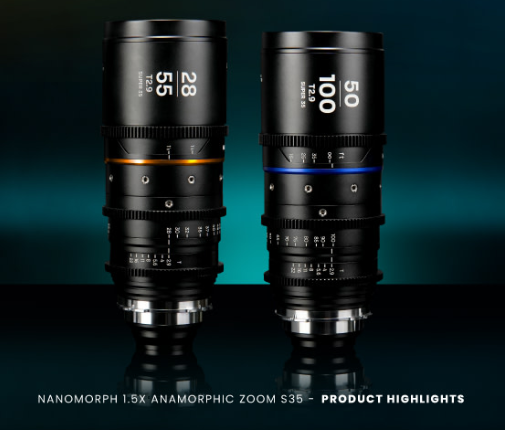
The Nanomorph ZOOM is a new and innovative lens series from Laowa that has garnered significant interest in the filmmaking community. Here’s a breakdown of its key features, potential benefits, and drawbacks:
Advertisements
Features:
- First Affordable Anamorphic Zoom Lens: The Nanomorph ZOOM boasts the title of being the first commercially available anamorphic zoom lens at a relatively accessible price point compared to traditional high-end anamorphic lenses.
- Zoom Range: Offered in two focal length options: 28-55mm and 50-100mm, providing versatility for capturing various scenes and compositions.
- Anamorphic Qualities: Creates the distinctive widescreen format with oval bokeh and a cinematic look associated with anamorphic lenses.
- Compact and Lightweight Design: Compared to traditional anamorphic lenses, the Nanomorph ZOOM is surprisingly compact and lightweight, making it easier to handle and transport.
Here are some of the pros and cons of the Nanomorph ZOOM:
Advertisements
Potential Benefits:
- Cost-Effective Entry into Anamorphic Filmmaking: The affordability of the Nanomorph ZOOM opens doors for aspiring filmmakers and videographers to explore the creative potential of the anamorphic format without breaking the bank.
- Versatility: The zoom range offers more flexibility in framing and shot composition compared to prime anamorphic lenses.
- Distinct Cinematic Aesthetic: The anamorphic qualities can elevate the visual appeal of your productions and add a professional touch to your storytelling.
Drawbacks:
- Limited Availability: As a new product, the Nanomorph ZOOM might be challenging to find in stock due to high demand.
- Learning Curve: Mastering the use of anamorphic lenses, including focusing and aspect ratio considerations, requires practice and understanding.
- Potential Vignetting: Some users have reported vignetting, especially at wider apertures and the edges of the frame.

Shop Amazon – Create an Amazon Baby Registry
Overall
The Nanomorph ZOOM presents a compelling option for filmmakers and videographers seeking an affordable way to incorporate the anamorphic aesthetic into their projects. However, the limited availability, learning curve, and potential for vignetting are factors to consider before investing in this lens.
Advertisements
Here are some additional points to keep in mind:
- Alternatives: Explore traditional prime anamorphic lenses if budget is not a primary concern and you prioritize the absolute best image quality.
- Research and Experimentation: Familiarize yourself with the characteristics of anamorphic lenses and how to effectively utilize them in your filmmaking process.
- Community and Reviews: Look for reviews from other filmmakers who have used the Nanomorph ZOOM to get real-world insights into its performance and potential limitations.
 Gadgets Hub
Leave a comment